How to choose a composite door supplier: A trade buyer’s checklist
Your supplier choice affects far more than product cost. It shapes your scheduling, your reputation, and how your business runs day to day. Get it right and jobs run smoothly, customers stay happy, and your business becomes easier to grow. Get it wrong, and the problems can quickly stack up – delayed deliveries disrupt installations, quality issues come back to you rather than the manufacturer, and valuable time gets lost chasing updates instead of winning work.
The composite door market has grown rapidly over the past decade, bringing more choice, higher standards, and greater competition across the trade supply chain. But with almost every supplier promising fast lead times, quality products, and reliable service, it can be difficult to know which ones genuinely deliver.
That’s why choosing the right supplier isn’t simply about finding someone who can manufacture a door. It’s about finding a trade door supplier that helps your business run smoothly and supports your long-term growth.
This guide explores the factors that separate one supplier from another, from product quality and lead times to communication, ordering systems, and after-sales support, helping you make more confident supplier decisions.
1. Start with what matters most to your business
Before comparing products and prices, it’s worth being clear on your own priorities. For installers focused on volume, lead time consistency is usually the biggest thing. For those working on higher-value residential projects, colour range and product quality tend to take precedence. For fabricators, technical support and panel construction quality often take priority.
The right supplier for one business isn’t always the right choice for another. That said, there are a handful of factors that matter across the board, and they’re worth examining before you open a trade account.
2. Product range, styles and colour choice
Product choice plays an important role when selecting a composite door supplier. The right partner should offer enough flexibility to help you meet a wide range of customer requirements without adding unnecessary complexity to the ordering process.
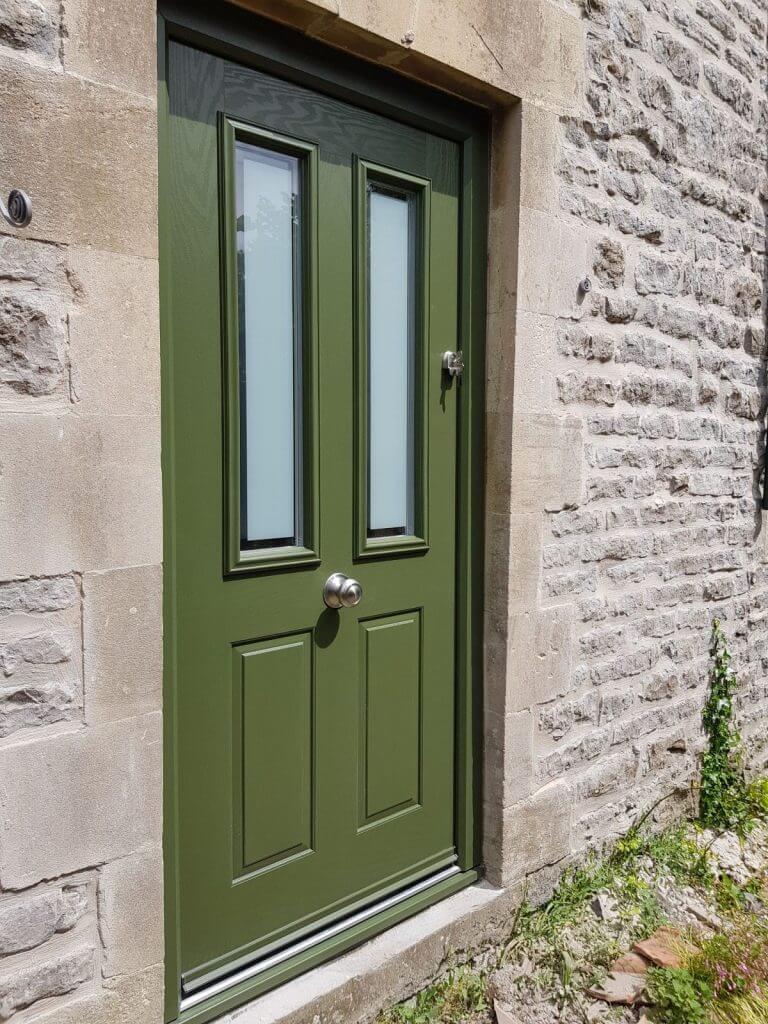
Look beyond the number of door styles available, and consider the overall breadth of the range. A strong composite door supplier should cater for different property types and design preferences, offering everything from traditional and heritage-inspired designs through to modern contemporary styles. For example, our range includes Contemporary, Traditional and County Collection doors, helping installers meet demand across a variety of projects and customer preferences.
Colour choice is equally important. While Anthracite Grey, Black and White remain ever popular, demand for heritage shades, bold finishes and bespoke RAL colours continues to grow. Consider the range of colours, glazing options, hardware choices and accessories available, as these details can often be a deciding factor for a sale.
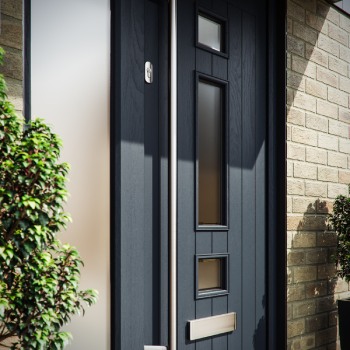
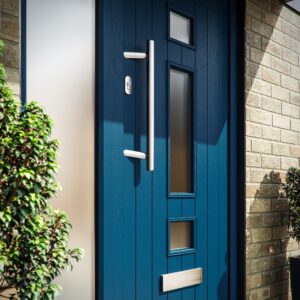
Contemporary composite doors
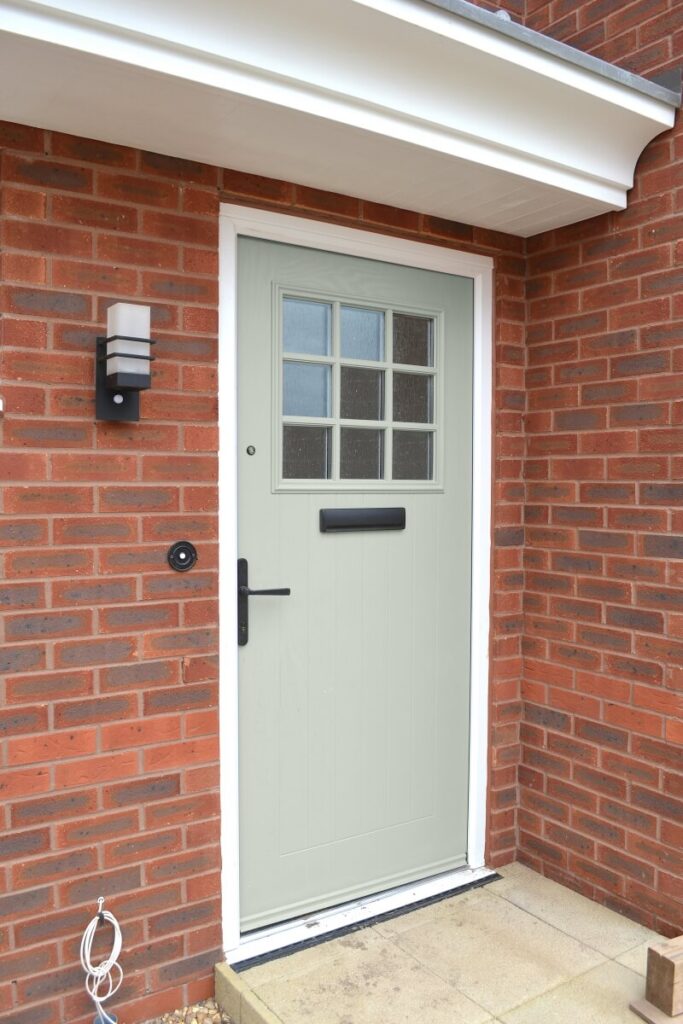
The County Collection
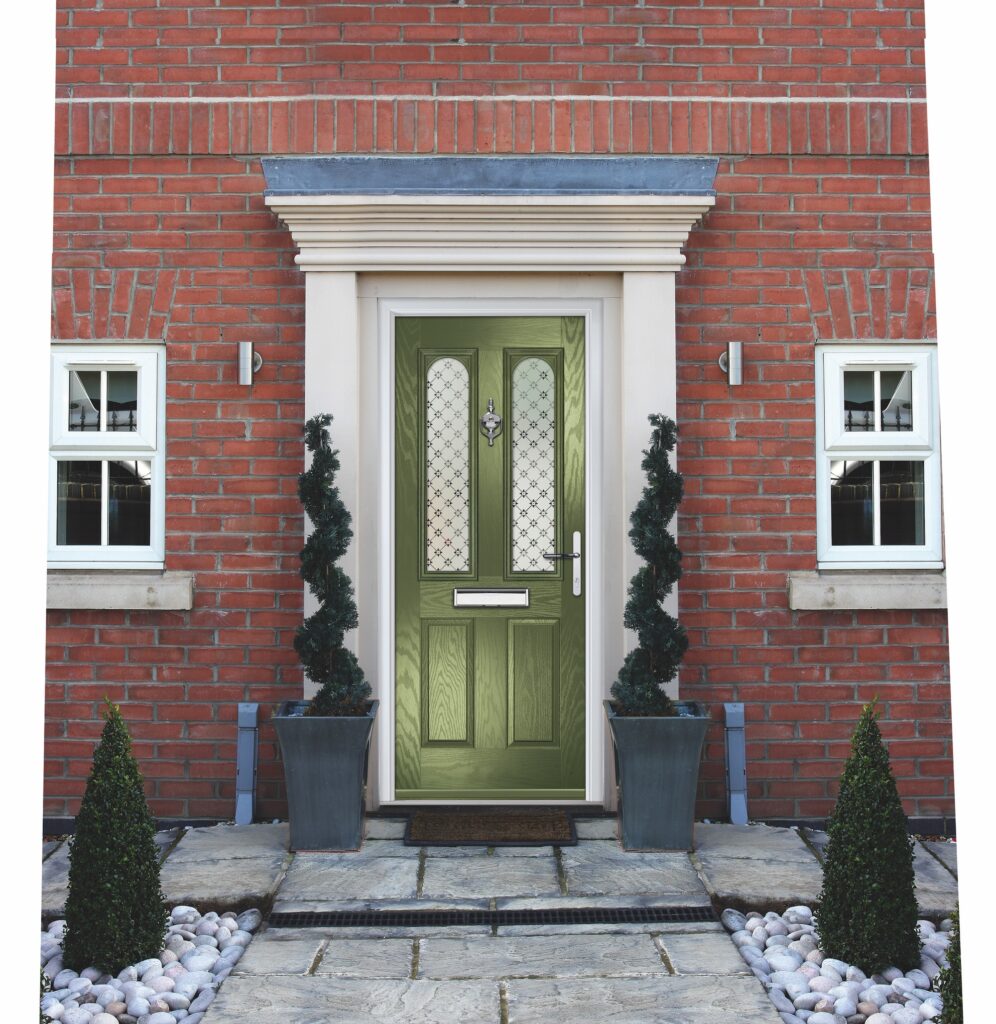
Traditional composite doors
3. Lead times and what affects them
Fewer things create more frustration than unreliable lead times.
A delayed delivery doesn’t simply push one installation back. It can affect fitting schedules, labour planning, customer expectations, and cash flow all at once. That’s why consistency is often just as important as speed when choosing a composite door supplier.
Many suppliers advertise ambitious turnaround times, but the real question is whether they can maintain those lead times consistently throughout busy periods.
At Vista Panels, our focus is on efficient, dependable production schedules and clear communication, helping customers plan with confidence and avoid unnecessary surprises. For standard composite doors, our lead times are five working days, and for RAL colour-coated doors, lead times can be achieved in as little as seven working days.
What affects lead times?
Several factors can influence how quickly a composite door can be manufactured and delivered. Door styles with intricate glazing, bespoke colours, specialist hardware, or custom sizing naturally require additional production time. Seasonal demand can also place pressure on manufacturing schedules, particularly during peak renovation and home improvement periods.
This is where strong manufacturing processes make a real difference.
Some composite door manufacturers outsource elements of production, which can introduce additional delays and reduce control over quality and scheduling. Suppliers with strong in-house manufacturing capabilities are often better positioned to maintain consistency and respond quickly when you need support.
4. Accreditations and what they actually tell you
Certifications should never be viewed as a simple box-ticking exercise. They provide valuable insight into the quality, consistency and testing standards behind a manufacturer’s products and processes.
PAS 24 security standards
Security remains one of the main reasons homeowners choose composite doors, making PAS 24 testing particularly important. PAS 24 is a recognised UK security standard designed to assess how effectively a door performs against forced entry attempts.
Products that meet PAS 24 requirements have undergone extensive testing to demonstrate their strength and resilience. Many homeowners actively ask about security credentials during the sales process, so working with a supplier that can demonstrate PAS 24 compliance helps you sell with greater confidence.
Secured by Design approval
Secured by Design (SBD) is a police-backed initiative that builds upon recognised security standards. SBD approval is increasingly specified on new build and social housing projects, and awareness among homeowners continues to grow.
If you work within these sectors, it’s worth confirming which products within a supplier’s range carry SBD approval.
ISO 9001 quality management
ISO 9001 certification demonstrates that a manufacturer operates under a recognised quality management system. In practical terms, this often means more consistent production, clearer processes, and fewer avoidable errors throughout the ordering and manufacturing journey.
The result is often smoother ordering, clearer communication, and greater confidence that products will arrive as expected.
UKCA and BSI certification
Reliable composite door manufacturers should also provide the appropriate UKCA documentation where required. Independent certifications such as the BSI Kitemark and Q-Mark schemes can further demonstrate a commitment to product quality, testing and ongoing compliance.
While homeowners may not understand every technical detail, they do recognise trusted quality marks. These credentials can help reinforce confidence during the sales process.




5. Online ordering
The mechanics of how you order products might not feel strategic, but they quickly add up across a busy working week.
A well-designed online ordering system should allow you to configure products accurately, generate quotes efficiently, track orders in real time, and access previous specifications when customers reorder. For businesses managing multiple surveyors, salespeople or fitting teams, these efficiencies can significantly reduce administration and minimise errors.
Modern ordering platforms can also become valuable sales tools. Features such as online door designers, visualisers and instant pricing systems can help you present options more effectively and speed up the quotation process.
It’s also worth understanding how changes, amendments and support requests are handled. Can an order be amended after it’s been placed? What happens if something arrives incorrectly? Who do you speak to when support is required?
6. Product quality: what sits beneath the surface
Two composite doors can look almost identical on the surface and perform very differently over time. The difference is usually found in the construction.
The door slab
The GRP (glass-reinforced plastic) skin provides the finish, weather resistance and much of the structural integrity of a composite door. Lower-quality skins can fade, chalk or delaminate over time, creating problems that often return to the installer rather than the manufacturer.
A dense foam core contributes to both thermal efficiency and structural rigidity. The best manufacturers publish independently tested performance data and can provide evidence to support their claims.
Hardware and security testing
PAS 24 certification applies to the complete door system, including the slab, frame, locks and hinges. This matters because hardware quality can vary considerably and plays a significant role in both security and long-term durability. Changing hardware specifications can sometimes invalidate testing certifications, making it important to understand exactly what has been tested and approved.
7. Installer marketing support
Homeowners now research products extensively before they ever speak to an installer. By the time they make contact, many already know which styles they prefer, which colours are popular, and which brands they’ve seen online. That means the quality of your marketing increasingly affects your ability to win work.
The best suppliers provide practical support such as professional product photography, brochures, specification sheets, showroom materials and digital sales tools that you can use to support your own marketing activity.
Some suppliers also offer online door designers and customer-facing resources that make it easier to engage customers and present product options professionally.
For smaller installation businesses, access to these materials can help level the playing field against larger competitors with dedicated marketing teams. When evaluating a supplier, ask what support is available and whether it’s included as part of your account.
8. Support, communication and partnership
The best supplier relationships are built on more than product quality and lead times. Day-to-day communication, responsiveness and access to knowledgeable support can make a significant difference to how efficiently your business operates.
When evaluating a supplier, consider how easy they are to work with. Can you quickly access technical information? Do you have a dedicated point of contact? Are updates and order information readily available when you need them?
Strong supplier relationships are built on clear communication and consistency. Whether you’re placing a straightforward order or working on a more complex project, having access to the right support can save valuable time and help keep installations running smoothly.
It’s also worth looking beyond the products themselves. Suppliers that invest in customer service, technical expertise and long-term trade relationships are often better positioned to support your business as it grows.
Ultimately, you’re not simply choosing a product supplier. You’re choosing a business partner that will play a role in your ability to deliver a positive experience to your own customers.