


Most homeowners assume their front door is already energy efficient. Many are surprised to learn how much heat an older or poorly specified door can lose day to day, and how significantly this affects comfort and running costs. This is a powerful opportunity for installers. When you can explain the value of a truly energy efficient upgrade, customers not only understand the difference, but they can also see the benefit in their bills and how their home actually feels.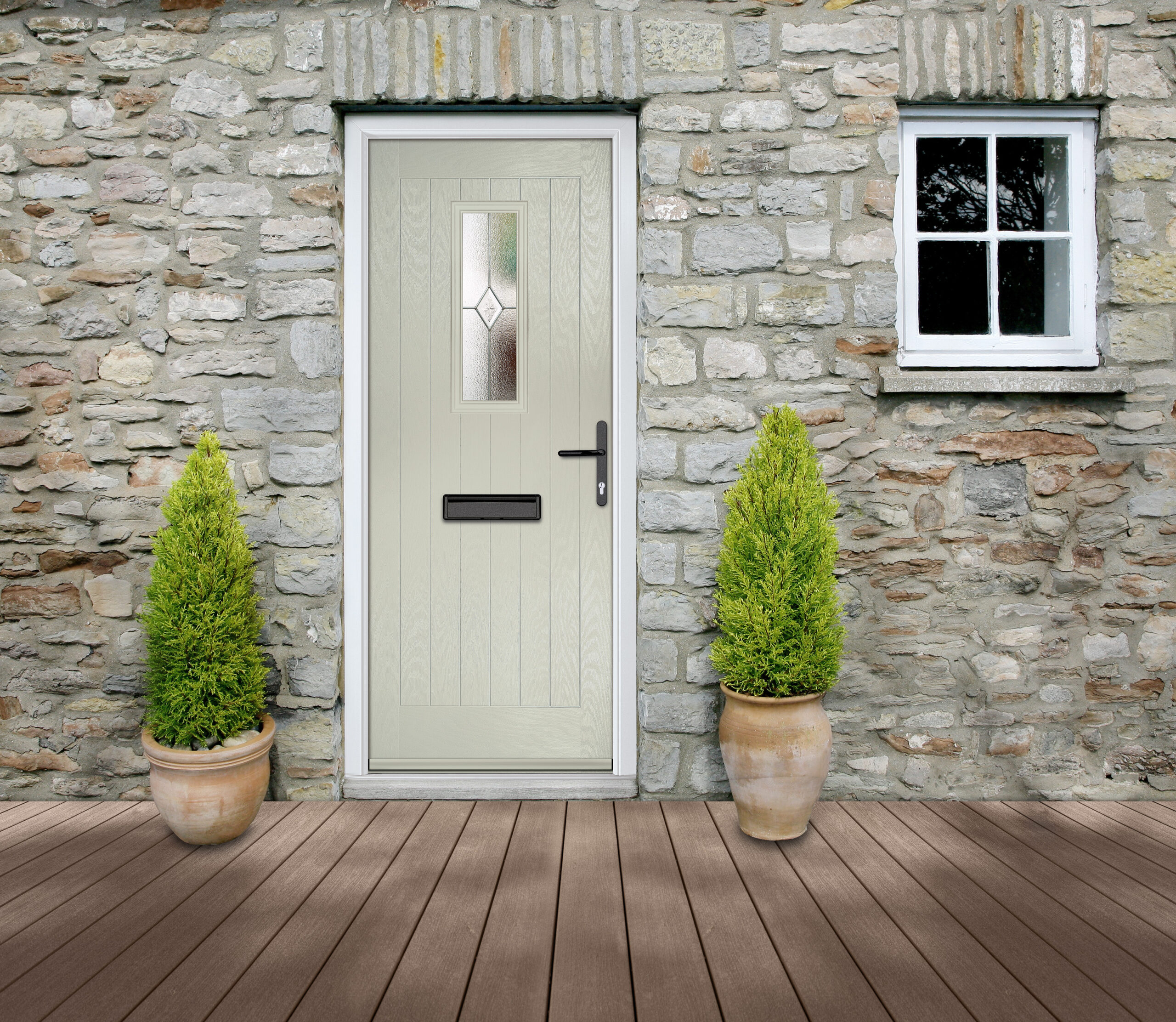
This is where the XtremeDoor composite door stands out. Independent testing carried out at the University of Salford confirmed that XtremeDoor performs significantly better than traditional timber core designs. In fact, our composite door is 17% more thermally efficient than timber core alternatives, and 19% more efficient than a standard timber door.
For installers, that performance helps you offer a clearer, more compelling choice. Instead of relying on assumptions, you can present measurable results that show exactly why XtremeDoor keeps more heat inside the home and offers better long-term value.
So, what drives that performance? It comes down to the materials, the construction and the engineering detail built into every door.
The science behind better insulation
To understand why XtremeDoor outperforms timber core doors, it helps to look at what affects thermal efficiency in the first place. Heat loss is through the door slab, the glazing, the frame and the seals. The more effective each layer is at slowing heat transfer, the lower the U-value and the better the overall performance.
XtremeDoor has been designed from the inside out to reduce heat loss at every point.
-
A high-performance insulated core
Timber is strong, but not the most effective insulator. XtremeDoor uses a precision-engineered insulated core that significantly reduces heat transfer. This helps the door maintain a stable internal temperature and improves overall comfort inside the home.
-
A 4mm GRP outer skin that stabilises and protects
The outer skin of the door directly affects thermal stability. XtremeDoor features a high-impact 4mm GRP skin, which is twice the thickness of many standard composite doors. This stabilises the door, prevents warping, and helps the insulated core maintain its performance over time.
-
Triple-sealed frame technology
Gaps and draughts are two of the biggest causes of heat loss. XtremeDoor’s triple-sealed frame helps eliminate cold spots and prevents cold air from entering the home. This creates a tight, secure fit that supports both thermal and acoustic comfort.
University-proven performance
The independent thermal testing carried out at the University of Salford confirms the results installers see in real homes. Using controlled conditions to analyse performance, the tests compared XtremeDoor with timber core composite doors and traditional timber doors. XtremeDoor consistently recorded lower heat loss across both the slab and the edges. The system also achieves U-values as low as 0.8 W/m²K, giving homeowners a door that delivers meaningful energy savings all year round.
This provides independently verified proof of performance that homeowners find easy to understand. It supports stronger recommendations, builds trust and helps customers see why choosing energy efficient composite doors makes practical, long-term sense.
Why installers benefit from higher efficiency
Offering a door with proven efficiency does more than strengthen your sales pitch. It helps installers build a reputation for quality and results. Customers are becoming more aware of energy performance, and many now compare U-values and thermal ratings when choosing a new front door.
XtremeDoor gives you a clear competitive edge because you can show customers:
- How the insulated core reduces heat loss
- Why the GRP skin stabilises performance over time
- The difference triple sealing makes in stopping draughts
- Independent test results, not just manufacturer claims
This transparency builds trust and helps homeowners feel more confident in their decision, especially when comparing quotes. Installers using XtremeDoor often find it easier to justify value, maintain margins and reduce the need for return visits due to swelling, warping or performance issues common in lower specification doors.
How does better thermal performance benefit homeowners?
A more thermally efficient door is not just a technical improvement. It increases comfort, lowers heating demand and helps create a warmer, more consistent home environment.
Homeowners benefit from:
- Lower energy use
- Reduced heating bills
- Fewer draughts and cold spots
- Better year-round comfort
- A door that performs consistently in all weather conditions
These are the practical advantages that help you deliver stronger customer satisfaction and repeat business.
A smarter long-term investment
For many homeowners, replacing a front door is a once-in-a-decade purchase. This makes long-term durability just as important as thermal performance. XtremeDoor is engineered for stability and strength, which means less movement, less risk of operational issues and fewer maintenance concerns over time.
With XtremeDoor composite doors, installers can offer a product that delivers measurable energy performance, durability and long-term value. The combination of an insulated core, a robust GRP outer skin and a triple-sealed frame gives customers a door that looks good, performs reliably and supports lower energy consumption.
As demand grows for composite front doors, thermal performance will continue to influence homeowner decision making. XtremeDoor gives installers a proven product with strong test data to support every conversation.
If you would like specifications or pricing information on the XtremeDoor range, our team is here to help.


